
The Anti-Aging Benefits of Edible Bird's Nests
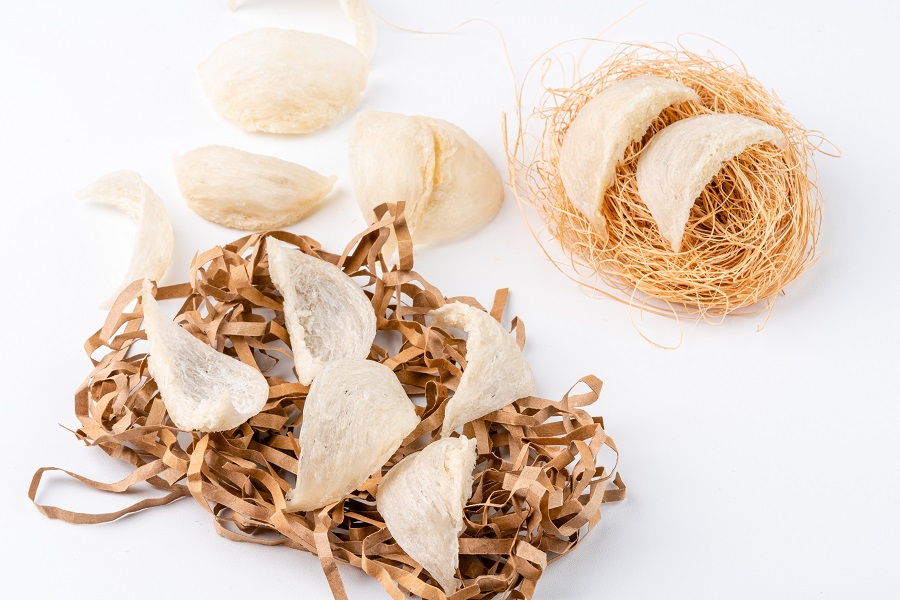
If you're searching for a natural approach to support youthful skin, you might consider the centuries-old practice of consuming edible bird's nests. These nests aren't just prized for their rarity; they're packed with nutrients linked to collagen production and overall vitality. Before you set out to add this delicacy to your routine, it's worth understanding what sets edible bird's nests apart and why they've remained a staple in traditional wellness.
Understanding the Unique Composition of Edible Bird's Nests
Edible bird's nests, particularly those harvested from swiftlets, are renowned for their potential anti-aging properties due to their unique composition. These nests are primarily made of solidified swiftlet saliva, which is rich in protein, containing essential amino acids at a concentration of 68.89 g per 100 g in edible bird's nest products (EBNP). Sialic acid, present at 6.64%, is known for its bioactive effects.
Additionally, the nests contain important minerals such as calcium, zinc, and iron, which support bone health and aid in tissue repair. Glycoproteins, including those with epidermal growth factors, may help improve skin elasticity and stimulate collagen production. Antioxidants, glucosamine, vitamins, and fatty acids further protect cells from oxidative stress, enhancing the nests’ anti-aging benefits.
Because these nutrients are delicate, proper storage is crucial to maintain potency and quality.
Readers looking for expert advice on how to store edible bird`s nests can explore detailed best practices and recommendations shared by Golden Nest, helping ensure long-lasting freshness and effectiveness.
Historical Use and Cultural Significance
Edible bird's nests have long been an integral part of Asian cultures, primarily valued for their culinary and medicinal properties.
Historically, they've been consumed by emperors and elites as a demonstration of wealth and a means to promote longevity.
In Traditional Chinese Medicine, bird's nests have been recognized for over a thousand years, particularly noted for their potential anti-aging and health benefits.
Ancient texts from the Tang and Sung Dynasties reference their therapeutic use.
Notably, Zheng He presented them to the Ming Emperor, underscoring their esteemed status.
Documented in the 17th-century Chinese Materia Medica, bird's nests continue to hold cultural significance today.
Key Nutritional Components and Their Biological Functions
Edible bird's nests are valued for their unique blend of bioactive nutrients that may support healthy aging.
They contain 6.64% sialic acid, known to facilitate collagen production and hydration, which can help maintain skin elasticity.
The nests also provide essential amino acids that support tissue repair, cellular health, and may help mitigate oxidative stress.
Glycoproteins found in these nests may contribute to immune system support and physiological stability.
Additionally, minerals such as calcium and magnesium are present, potentially benefiting bone health.
Antioxidants like ovotransferrin and lactoferrin are included, which may neutralize free radicals and support efficient metabolism, possibly enhancing the body's defenses against aging.
How Edible Bird's Nests Support Skin Health and Longevity
Edible bird's nests are known for their potential benefits to skin health, supported by scientific research.
They contain sialic acid, which may aid in reducing hyperpigmentation and promoting a more uniform complexion.
The antioxidants present in these nests can help protect the skin from oxidative stress, which is a factor in the aging process.
Peptides found in bird's nests have been shown to offer some protection against UV damage and may assist in maintaining skin elasticity.
Additionally, the epidermal growth factor in these nests can support skin cell regeneration and repair, potentially contributing to skin longevity.
Glycoproteins within the nests may also stimulate collagen production, which can enhance skin firmness and texture, contributing to a smoother appearance over time.
Choosing and Using Edible Bird's Nests for Maximum Anti-Aging Results
To maximize the anti-aging benefits of edible bird's nests, it's important to choose high-quality White Nest varieties.
These nests are noted for their high content of glycoproteins and sialic acid, which are known to enhance collagen production and improve skin elasticity.
Consuming them in soups or desserts can help leverage their antioxidant properties, potentially reducing oxidative stress.
When selecting products, look for those with verified Edible Bird’s Nest Peptide (EBNP) content, as these peptides may help inhibit melanin production and contribute to a more even skin tone.
For additional anti-photoaging benefits, consider topical formulations that include bird’s nest peptides.
Ensure that the nests are ethically harvested from reputable sources to maintain safety and efficacy.
This approach supports consistent use and aligns with scientific evidence pointing to the potential anti-aging benefits of edible bird's nests.
Conclusion
By adding edible bird's nests to your routine, you’re tapping into centuries-old wisdom and modern science for remarkable anti-aging benefits. Their unique blend of sialic acid, glycoproteins, antioxidants, and essential minerals works from within—boosting collagen, fighting oxidative stress, and supporting bone and tissue health. When you choose high-quality nests and use them consistently, you’ll help your skin stay youthful and resilient, while promoting your overall vitality and longevity. Don’t miss out on nature’s secret to graceful aging.