
Signs You May Need Marijuana Rehab
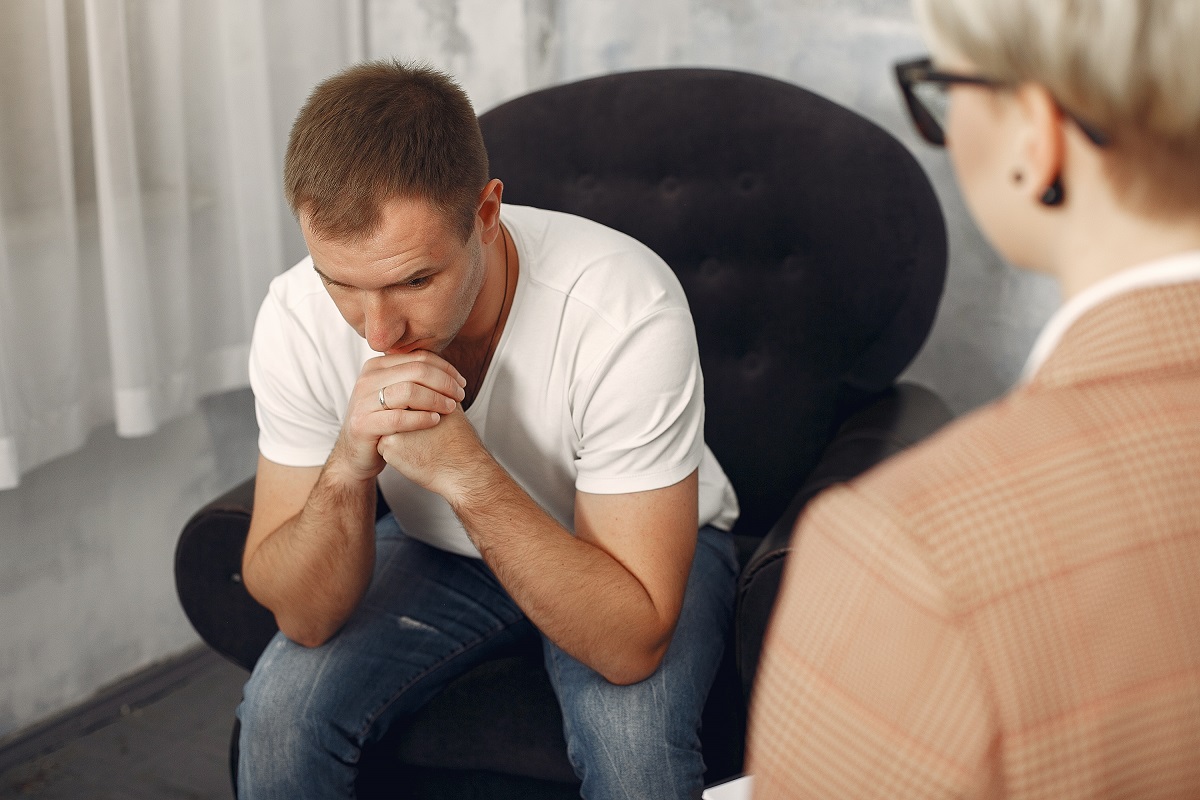
You might tell yourself your marijuana use is “under control,” yet you’re noticing changes you can’t easily explain, slipping performance at work or school, arguments about your habit, or relying on weed just to relax or sleep. Maybe you’ve tried to cut back and couldn’t, or you feel irritable and restless when you stop. These patterns can signal something deeper is going on, and that’s where an honest look at marijuana rehab comes in.
Do I Really Need Marijuana Rehab?
When marijuana use begins to affect your responsibilities, relationships, or overall well-being, it may be time to take a closer look at what’s happening. Missing work or school, frequent arguments with family, financial strain, or legal issues tied to use are often early warning signs that casual consumption has shifted into something more disruptive.
Continuing to use despite rising anxiety, low mood, or other health concerns can also point toward a deeper pattern that deserves attention.
Other red flags include trying to cut back but not being able to, needing higher amounts of THC to feel the same effects, or experiencing strong cravings that feel difficult to control.
Withdrawal symptoms such as irritability, sleep disturbances, appetite changes, restlessness, or mood swings when you stop or reduce use may indicate both physical and psychological dependence.
Because these signs can overlap with conditions like anxiety or depression, getting clarity from a professional matters. A structured marijuana rehab program provides a comprehensive evaluation, individualized treatment planning, and support from clinicians who understand substance use within the context of your local community and lifestyle.
Their familiarity with regional trends, available support networks, and local stressors allows them to tailor care in a way that feels practical and relevant.
An experienced treatment team can assess your pattern of use, determine whether cannabis use disorder is present, and recommend the right level of care, whether that’s outpatient counseling, intensive programming, or another supportive approach designed to help you regain stability and control.
How Marijuana Use Turns Into Addiction
Although marijuana use often begins as occasional or social, repeated exposure to THC can gradually alter brain function and, for some people, lead to cannabis use disorder (addiction).
Patterns of use may shift from infrequent recreational use to more regular weekly use, and then to daily use over time.
The brain’s reward system adapts to repeated THC exposure by developing tolerance, meaning larger or more frequent doses are needed to achieve the same effects or to feel “normal.”
High‑potency products such as certain vapes and concentrates can accelerate this process.
Age of first use is an important factor. Individuals who start using marijuana before age 18 have a significantly higher risk, commonly estimated at about 4–7 times greater, of developing cannabis use disorder compared with those who begin in adulthood, likely due to the increased vulnerability of the developing brain. Genetic factors also contribute to individual differences in risk.
Mental and Emotional Signs Weed Is Hurting You
As casual use shifts toward dependence, marijuana can begin to noticeably affect mood and thinking. When reducing or stopping use, some people experience irritability, anxiety, restlessness, sleep difficulties, or low mood, with these symptoms easing temporarily when they use again.
Cravings may intensify, thoughts about using can become frequent or intrusive, and efforts to cut down may be unsuccessful.
Some individuals come to rely on marijuana to cope with stress, anxiety, depression, or insomnia, yet these underlying issues may persist or gradually worsen over time.
Motivation, concentration, and memory can decline, leading to reduced performance at school or work. Social withdrawal is also common, and some users report feeling increasingly anxious, depressed, or paranoid, particularly with frequent or high‑potency use.
Risky Behaviors and Health Problems From Marijuana
Heavy or frequent marijuana use is associated with several health and safety risks that may not be immediately obvious.
Using marijuana before or while driving can impair reaction time, attention, and coordination, increasing the risk of motor vehicle crashes. Combining marijuana with alcohol or using high-potency products, such as concentrates, can intensify impairment and may raise the likelihood of acute anxiety, paranoia, or, in some cases, hallucinations.
Edible products pose additional risks because their effects are delayed. This can lead some individuals to consume more than intended, which may result in severe intoxication, confusion, panic, or other distressing psychological effects.
Regular smoking of marijuana can irritate the respiratory system, potentially causing chronic cough, wheezing, and shortness of breath.
Long-term, heavy use has been linked to difficulties with memory, attention, and learning, which can affect academic or work performance. Some individuals also experience withdrawal symptoms, such as irritability, sleep problems, decreased appetite, or cravings, when they try to reduce or stop use, indicating the development of cannabis use disorder in certain cases.
Next Steps If You Need Marijuana Rehab
Once you’ve identified that marijuana use is creating difficulties in your life, the next step is to understand the nature and extent of the problem and what types of support may be appropriate.
A clinical assessment by a licensed healthcare or mental health provider, often using DSM-5 criteria, can help determine whether you meet criteria for a cannabis use disorder and, if so, whether it's mild, moderate, or severe.
After an assessment, it can be useful to contact your health insurer or a treatment program’s admissions staff to clarify what services are covered and what your out-of-pocket costs may be.
Based on clinical recommendations and practical factors such as your work and family responsibilities, you can consider different levels of care, including detoxification/withdrawal management, inpatient or residential treatment, intensive outpatient programs, or standard outpatient care.
When evaluating treatment options, you may want to ask whether they offer evidence-based approaches such as cognitive behavioral therapy (CBT), motivational enhancement therapy (MET), and contingency management, as these have been studied in the treatment of substance use disorders, including cannabis.
It's also important to plan for withdrawal symptoms, if relevant, and to discuss ongoing therapy and aftercare.
Continuing care can include individual or group counseling, peer or mutual-help groups, and structured follow-up to reduce the likelihood of relapse and support long-term changes in use.
Conclusion
Pay attention to how weed actually affects your life, not how you wish it did. If you see these signs, struggling at work or school, using to cope, feeling anxious without it, you’re not weak or broken, you just need support. Talk to a professional, explore rehab or counseling, and loop in someone you trust. You can reset your relationship with marijuana and build a life that feels clear, stable, and genuinely your own right now, gently.